How we've helped
A first-time retail tenant scoping build-out glazing
An anonymized example of how a first-time retail tenant used Paneworks to understand build-out glazing and get matched, free of charge, with a licensed commercial glazing contractor.
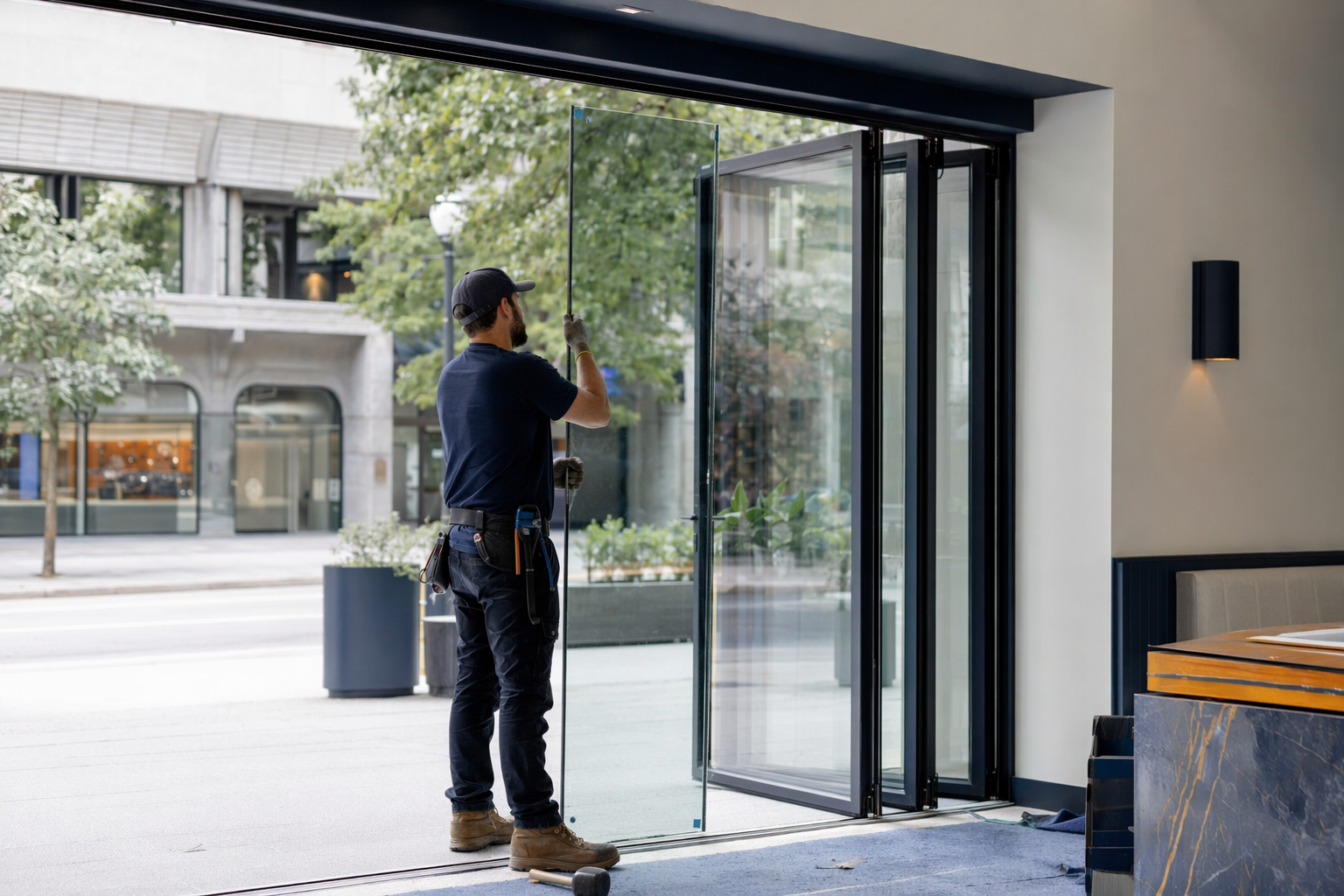
The situation: a new tenant with a glass-heavy storefront plan
A first-time retail tenant was taking over a small commercial space in a neighborhood shopping strip. The landlord had delivered the unit as a basic shell. The tenant still needed the customer-facing glass and aluminum entry system scoped as part of the build-out.
Like many first-time tenants, they were not sure what belonged in the glazing scope and what belonged to the storefront contractor, door hardware supplier, electrician, or landlord. They had heard terms like storefront, tempered glass, insulated glass, and panic hardware, but did not know which ones applied to their lease space.
They came to Paneworks because we are a free educational matching service. We do not install, fabricate, or repair glass. We help businesses and property decision-makers understand commercial glazing work in plain language and get connected with a licensed, insured commercial glazing contractor.

What the tenant needed to figure out first
Before anyone could price the work, the tenant needed a clearer scope. In retail build-outs, that usually means understanding what glass system is actually being discussed. A typical aluminum storefront system is common at street level or in shopping centers. It is different from a curtain wall, which is usually a larger, more engineered exterior wall system hung from the structure. It is also different from a window wall, which is often installed floor by floor in multi-story construction.
In this case, the likely scope was a standard storefront-style entrance and glazed frontage for a one-story retail bay. That could include aluminum framing, a commercial glass door, sidelites, larger fixed glass lites, and related hardware. Depending on design and code, the glass might need to be tempered safety glass, laminated safety glass, or insulated glass units if energy performance was part of the requirement.
We explained these terms in simple words. Tempered glass is heat-treated so it breaks into smaller pieces and is commonly used where safety glazing is required. Laminated glass has layers bonded together so the glass tends to stay together when broken. Insulated glass units, often called IGUs, use two or more panes with a sealed air or gas space between them to help with thermal performance.
We also explained that final requirements depend on the drawings, the lease, local code, and the building conditions. Paneworks does not give code or structural advice. A licensed commercial glazing contractor can review the project documents and confirm what is appropriate for the space.
Where first-time buyers often get stuck
The tenant's main problem was not just price. It was uncertainty. They did not want to request bids without knowing what to ask for. That is common on commercial glazing projects. If the scope is vague, bid comparisons are hard, exclusions get missed, and scheduling can slip.
A few practical questions came up right away. Was the existing opening size fixed, or would framing dimensions need to be field verified? Was the entry system part of the landlord's work or the tenant improvement scope? Did the design call for clear glass only, or a low-E coating for better energy control? Low-E means a thin coating on the glass that helps reduce heat transfer. Terms like U-factor and SHGC may also appear in project documents. In plain English, U-factor describes how much heat moves through the assembly, and SHGC describes how much solar heat the glass lets in.
The tenant also learned that aluminum framing can vary. Some systems include thermal breaks, which are materials placed within the frame to reduce heat transfer. On some projects that matters more than on others, especially where energy code or comfort at the glass line is a concern.
Because commercial glazing involves heavy materials, exact openings, hardware coordination, and code-sensitive safety requirements, this is not the kind of work to guess through. It belongs with a qualified commercial glazing contractor who can review the drawings, measure conditions, and prepare a real scope and bid.
How Paneworks helped
We started by helping the tenant organize the basic project information needed for a useful contractor conversation. That included the business contact, project ZIP code, approximate opening sizes, target use of the space, whether permit drawings were available, and whether the project was a new storefront assembly, replacement, or modification to an existing glass line.
We also helped the tenant think through a few practical job questions: how many stories the building had, whether lift access might be needed, whether there were existing doors to reuse, and whether the schedule was tied to a grand opening date. That kind of information does not replace a site visit or formal review, but it helps a licensed contractor understand the likely project type.
After that, we matched the tenant with a licensed, insured commercial glazing contractor for the area. Our service is free to the tenant. We do not bid the work ourselves and we do not promise pricing or outcomes. We simply help the buyer get to a more informed starting point and connect with a contractor who handles commercial architectural glass and glazing.
If you are in a similar position, you can get matched or read more stories from other anonymized commercial buyers.
What the buyer learned about bids and scope
One of the most useful takeaways was that glazing pricing is usually tied to the system, the glass specification, field conditions, access, and hardware details. A storefront opening with standard clear tempered glass may price very differently from a system with insulated glass, specialty finishes, closer coordination with access control, or custom entrance requirements.
For general planning only, commercial buyers sometimes see typical ranges expressed by square foot or by opening, but those are not bids. Local labor rates, code requirements, engineering, finish choices, demolition needs, and lead times can all change the number. That is why Paneworks avoids promising a price. The right next step is a contractor review of drawings and site conditions.
The tenant also learned to ask whether the bid included demolition, disposal, door hardware, glass type, finish, sealants, field measurements, permits by others, and long-lead materials. Clear bid language matters. It helps avoid comparing one number that includes the entrance door and another that excludes it.
This is especially important in retail work, where one missed item can affect inspections, storefront completion, and opening readiness.
The outcome: more clarity, less guesswork
The biggest benefit for this tenant was not a dramatic story. It was clarity. They moved from "I need some front glass" to a more workable understanding of the project: a commercial storefront-related glazing scope that needed a licensed contractor's review, field verification, and formal bid.
That calmer, better-organized starting point matters. Commercial glazing is specialized work. Glass can be heavy, safety-sensitive, and difficult to handle. Entrance systems need coordination. Code and jurisdiction matter. For that reason, buyers should rely on licensed, insured professionals rather than try to piece together the scope from random product terms.
Paneworks helped the tenant understand the language, organize the project basics, and connect with the right kind of contractor at no cost. We did not install anything, approve any design, or guarantee the result. We helped a first-time commercial buyer take the next practical step.

If you are new to retail build-out glazing, we help you understand the scope and get connected, free, with a licensed commercial glazing contractor.
Common questions
What kind of glazing work was this retail tenant likely dealing with?
Most likely a commercial storefront-style system for a lease space entrance and front glass line. That can include aluminum framing, fixed glass, a commercial glass door, and related hardware.
How is storefront different from curtain wall?
Storefront is typically a ground-level commercial framing and glass system used at retail and small commercial entries. Curtain wall is usually a larger, more engineered exterior wall system attached to the building structure, often on taller buildings.
Can Paneworks tell me exactly what glass my project needs?
No. We provide general educational information only. Final glass type, framing, safety glazing, and code requirements should be confirmed by a licensed commercial glazing contractor reviewing your drawings and site conditions.
Is your service free for the tenant or business owner?
Yes. Paneworks is free for the reader. We help you get matched with a licensed commercial glazing contractor, but we do not do the work ourselves.
Do I need drawings before I ask to be matched?
Not always. Drawings help, but even early project details like ZIP code, rough opening size, number of stories, and whether this is new work or replacement can help start the conversation.