How we've helped
A restaurant adding glass partitions for a new dining room
A restaurant owner wanted a cleaner way to split a new dining room without making the space feel closed in. We helped them find a licensed commercial glazing contractor to bid the project and explain the best glass options for the layout.
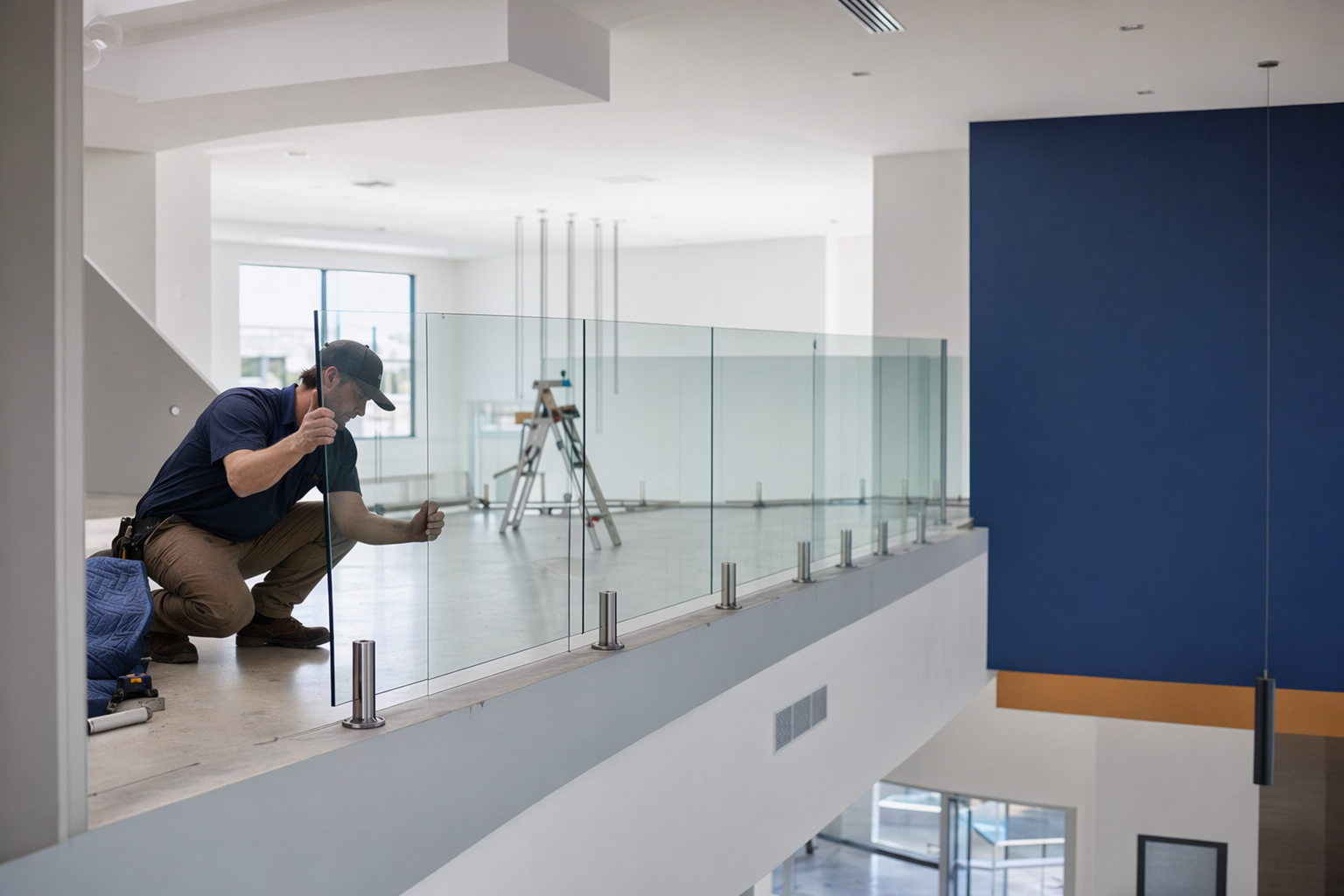
The project at a glance
A neighborhood restaurant was expanding into an adjacent room and needed a new partition system to define the seating area. The owner wanted more privacy and better noise control, but still wanted light to move through the space.
This was a commercial glazing project, not a simple hardware-store fix. The space needed a contractor who works on interior glass partitions, door openings, and the aluminum framing that supports them.
Through get matched, we connected the owner with a licensed, insured commercial glazing contractor who could review the site, measure the opening, and prepare a bid.

What the contractor helped sort out
The biggest questions were practical ones: how the new dining room should feel, how much sound control was needed, and what kind of safety glass made sense for a busy restaurant.
The contractor explained the difference between tempered glass and laminated glass in plain language. Tempered glass is heat-treated to be stronger than standard glass and is commonly used where safety glass is needed. Laminated glass has layers bonded together and can help with security and sound control because it tends to hold together if it breaks.
They also discussed whether the opening should use full-height glass partitions, a framed system, or a combination of glass and solid panels. For a restaurant, those choices can affect cleaning, traffic flow, privacy, and day-to-day wear.
Why a licensed glazing contractor mattered
Glass partitions are not light-duty work. Large panes are heavy, the hardware has to be set correctly, and the installation has to fit the building conditions and any local code requirements.
A licensed, insured contractor can handle the scope, sequence, and safety planning for a commercial job like this. That matters whether the project is a simple interior partition or part of a larger tenant improvement.
Paneworks does not install glass or give structural or code advice. We help business owners, property managers, and contractors find the right kind of commercial glazing pro to bid the work.
What the restaurant owner compared
The owner looked at a few common commercial options before choosing a direction for bids:
- Clear glass for maximum openness
- Frosted or patterned glass for more privacy
- Tempered glass for safety use in public areas
- Laminated glass where extra sound control or added security could help
- Framed aluminum systems for durability and a cleaner commercial finish
The contractor also explained how the framing, door hardware, and glass type all work together. In commercial glazing, the full system matters, not just the glass panel itself.
What the bid process looked like
The contractor visited the site, confirmed the opening size, and looked at how the partition would connect to the floor, ceiling, and nearby finishes. That information is what helps shape a real project bid.
For reference only, commercial interior glass partition pricing can vary a lot by glass type, hardware, finish, and layout. A small job may price differently than a larger build-out with custom doors or special glass.
The owner used the bid to compare options and decide what fit the restaurant’s budget and design goals. No one promised a final cost or a specific timeline, because those depend on the site, the scope, and the contractor’s schedule.

A restaurant needed a glass partition system, so we helped them find a licensed commercial glazing contractor to measure the job and bid it the right way.
Common questions
Is Paneworks a glass company?
No. Paneworks is a free matching service. We help you find a licensed commercial glazing contractor for the project.
What kind of glass is usually used for restaurant partitions?
It depends on the goal. Tempered glass is common for safety, while laminated glass may be used when sound control or added hold-together performance matters.
Can you tell me the price before I talk to a contractor?
Not exactly. Commercial glass pricing depends on the opening size, glass type, hardware, access, and local conditions. A contractor needs to review the site before giving a bid.
Do you work with residential glass repair or auto glass?
No. Paneworks is for commercial and architectural glazing only, such as storefronts, partitions, curtain walls, facades, and commercial doors and windows.