Problems
Cracked or Broken Storefront Glass
A cracked storefront panel can be a safety and security concern, and the fix is typically a scheduled commercial glazing project. Paneworks helps you get matched free with a licensed, insured commercial glazing contractor.
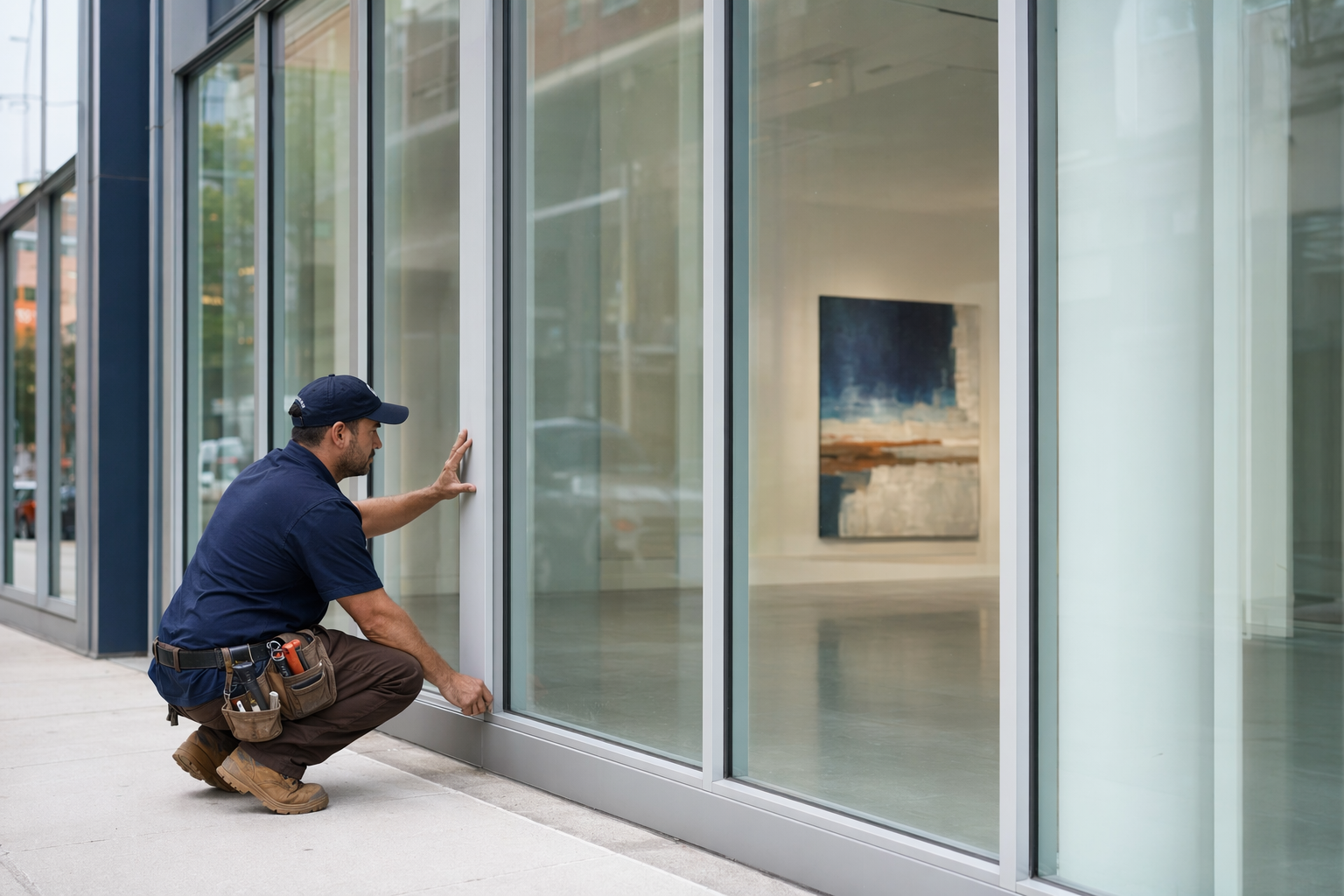
What a cracked storefront glass panel usually means
Storefront glazing is the glass in a business entrance or display system—often in storefront windows, doors, and sidelight assemblies. When a panel cracks, it can affect safety, weather protection, and security.
Even if the glass still looks “in place,” cracks can spread from impact, thermal stress, or building movement. Because storefronts are part of the building envelope, the right replacement also needs to match the original system and performance.
Paneworks can help you describe what you’re seeing and connect you with a licensed commercial glazing contractor for storefront replacement, not a one-off home window patch.
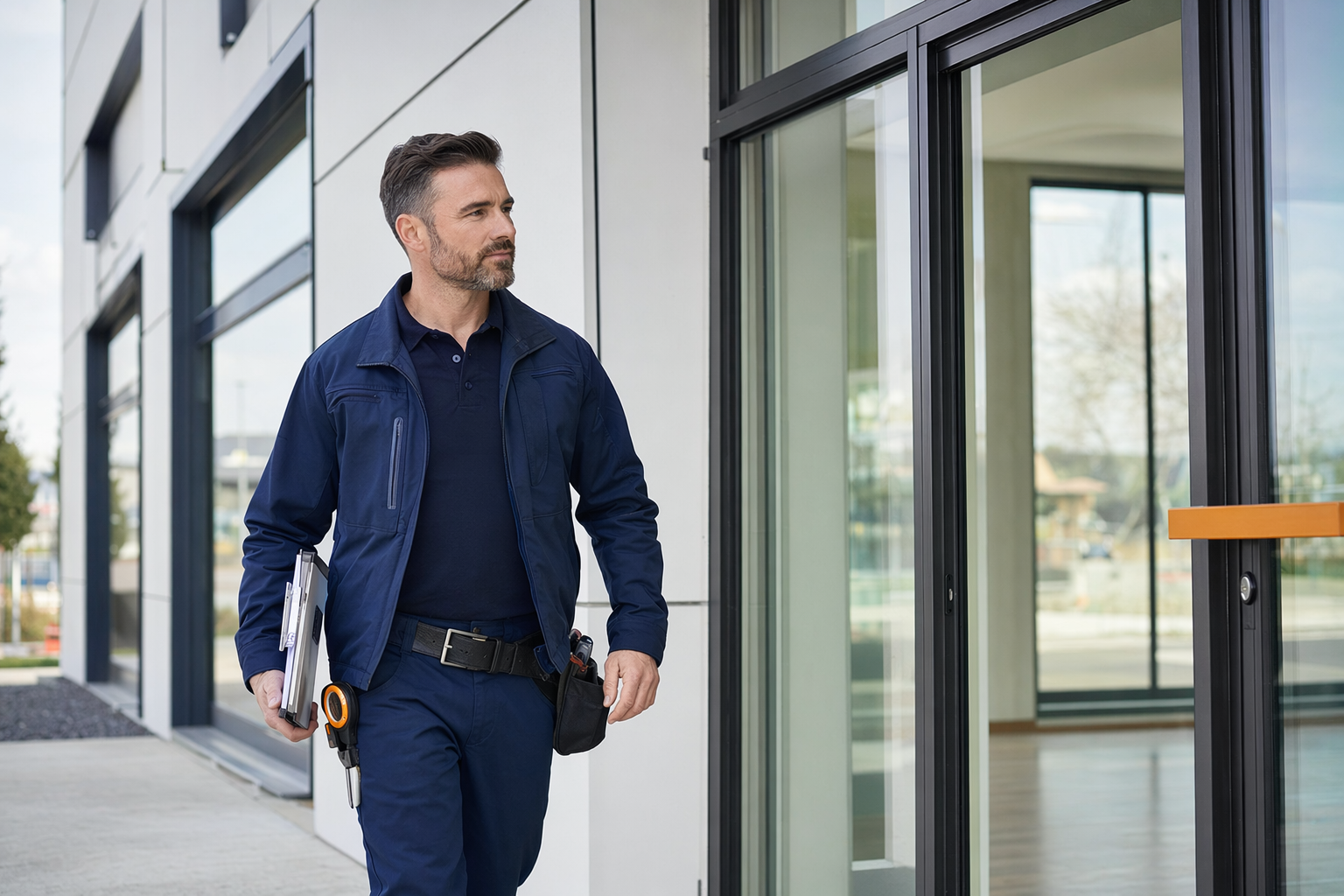
Is it urgent? Safety and security first
A cracked storefront can range from cosmetic to urgent. If the glass is loose, falling, has sharp edges, or the business entry is exposed, treat it as urgent and secure the area while a contractor evaluates it.
If the storefront is protecting occupied space, a damaged panel can also impact compliance with building safety requirements in your area. Codes vary by jurisdiction, so the contractor will confirm what type of glass and installation method are required for your building.
A licensed, insured contractor is the right call because storefront work is heavy, includes high-risk handling, and must be installed to the correct system—not improvised.
Why storefront glass replacement isn’t always “just new glass”
Storefront systems are engineered assemblies. Replacing a panel usually requires matching the glazing type and the framing and seal details that keep water and air out.
In many cases, you’ll also hear about safety glass options such as tempered glass or laminated safety glass. Tempered glass breaks into small, blunt pieces. Laminated safety glass holds together better if it’s impacted, which can be important for higher-security entrances.
If your storefront includes insulated units (IGU—insulating glass units) or performance coatings (like low-E), the replacement may need to restore energy performance, not only appearance. That’s one reason bids depend on the system, glass thickness, coatings, and how the unit interfaces with the frame.
Key details a contractor will ask for (and you can gather now)
Before you request a bid, it helps to collect project basics: the storefront location, whether it’s a door or sidelight, and roughly how many panels or units are involved. If you can, take clear photos showing the crack, the frame condition, and any hardware or nearby leaks.
Count what you have: is it a single panel, a door lite, or multiple lites within one storefront bay? Note whether the crack is at an impact point, along an edge, or spanning the panel. Also mention if there’s been recent impact, construction, door closing issues, or unusual building temperature swings.
Paneworks helps you package these details so a contractor can accurately scope the glazing work. Start with get matched when you’re ready.
Common storefront system types (plain-English)
Storefront glazing can be built several ways. A common one is a storefront window/door system with aluminum framing and glazing gaskets. Another is an entrance system that integrates sidelights and transoms. Some buildings have different façade systems where glazing behaves differently.
A contractor may also reference related terms you’ll see in drawings or specs. Curtain wall and window wall are larger, building-façade systems, while storefront is typically the ground-level commercial entrance and display zone. If your project is part of a larger façade scope, the right contractor needs to understand that context.
If you have drawings or a submittal, even a few pages can help—storefront details often specify glass type, thickness, coatings, and how the glazing is set and sealed.
Typical replacement cost drivers and timeline factors
Pricing for commercial glazing is highly dependent on what needs replacing and how complex the system is. Typical budgeting categories can include glass type, thickness, coatings, insulated units (if applicable), safety requirements (tempered vs laminated), and the storefront framing/seal work needed to restore the assembly.
Other cost drivers are practical: how many units, approximate square footage or panel count, whether there are special anchoring or weatherproofing details, and whether the replacement is needed quickly due to safety or security.
For a general sense of what influences cost, see costs. Exact pricing and schedules require a scoped project—your matched contractor will review the site and confirm the plan.
What to expect during the contractor’s evaluation
A licensed commercial glazing contractor will typically verify the glazing type and the storefront system configuration, confirm safety glass requirements, and measure the opening accurately. They’ll also check the surrounding frame and seals to determine whether only the glass needs replacement or whether adjacent components must be addressed to maintain weatherproofing.
If your storefront uses insulated glass or special coatings, they’ll confirm performance targets like low-E coatings and the insulated unit configuration (IGU). These decisions affect energy performance and condensation behavior.
Because glazing work is dangerous and building code-driven, you should expect professional tooling, safe access planning, and installation methods aligned to the storefront system—not improvised repairs.

A cracked storefront panel is a safety/security issue that usually requires a scoped commercial glazing replacement by a licensed pro—Paneworks helps you get matched free.
Common questions
Should we repair a cracked storefront panel or replace it?
In most commercial storefront situations, replacement is the standard approach because a crack can change the glass’s safety and structural behavior. The right option depends on the system and whether the glass is safety-rated for your building and local requirements.
Do we need tempered glass or laminated safety glass?
Many storefront entrances use safety glass, and laminated safety glass is often chosen when higher impact resistance or security is important. A contractor can confirm what’s required based on the storefront design, glazing location, and applicable code in your jurisdiction.
What should we tell the contractor before they quote?
Share where the crack is located (door lite, side panel, transom), how many panels or lites are involved, whether the glass is loose or leaking, and provide photos. If you have drawings or the storefront system details, include them.
Why can’t we just order a new piece of glass ourselves?
Storefront glazing is installed as part of a designed assembly using correct glass specs, thickness, safety rating, and seal/gasket details. Incorrect glass type or fit can compromise safety and weatherproofing.
How fast can a storefront replacement happen?
Timelines depend on glass type (tempered vs laminated vs IGU), measured dimensions, and availability. If security or customer safety is impacted, mention the urgency so the contractor can plan scheduling.