Guides
Tempered vs laminated vs insulated glass
Tempered, laminated, and insulated glass do different jobs in commercial buildings. This guide explains the differences in plain language and helps you understand what to discuss with a licensed commercial glazing contractor.
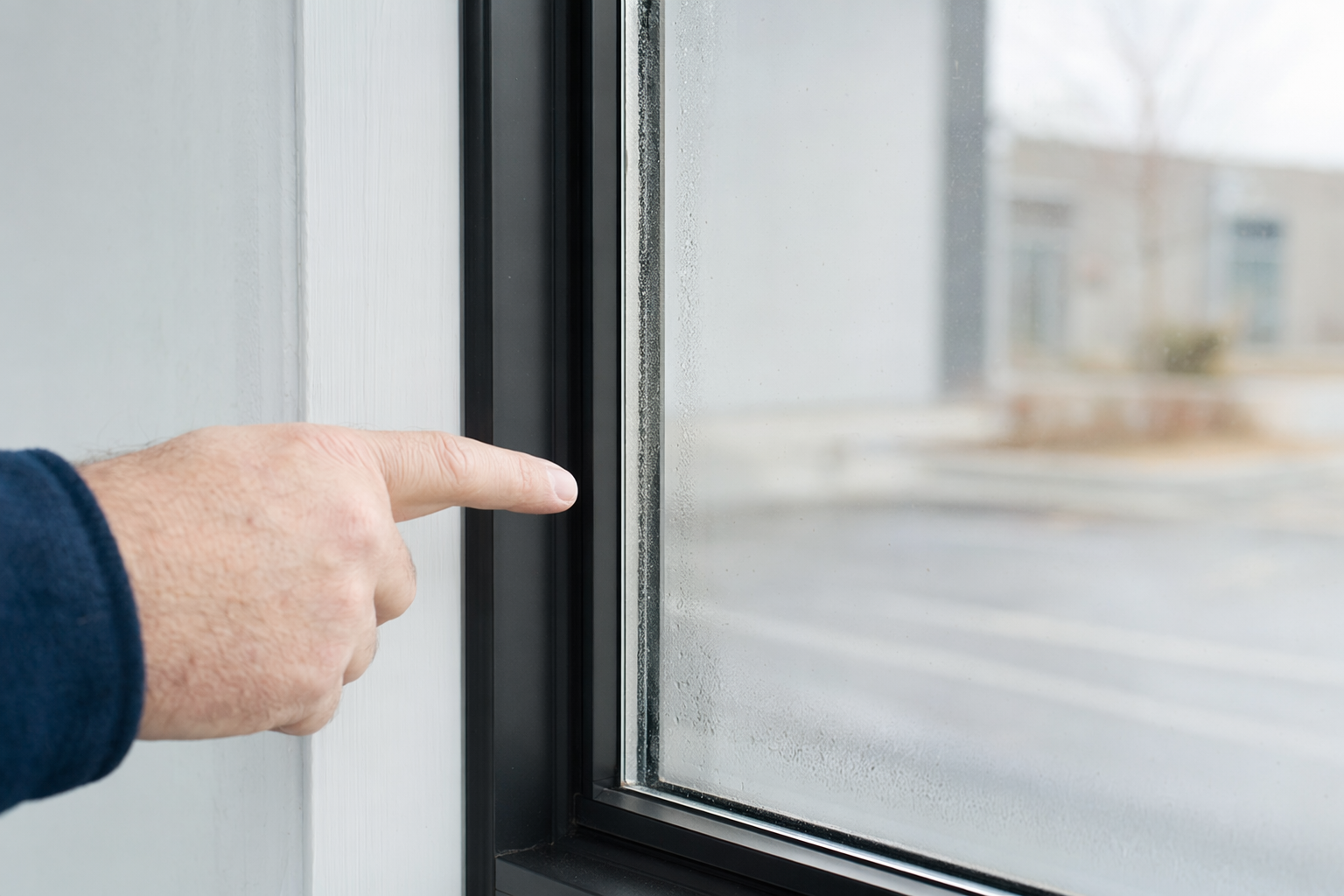
What these three glass types actually mean
These terms are often used together, but they are not the same thing. Tempered and laminated describe how the glass is made for strength and safety. Insulated glass describes a multi-pane unit built for energy performance.
Tempered glass is heat-treated so it is stronger than standard annealed glass. If it breaks, it usually shatters into many small, less sharp pieces. That is why tempered glass is commonly used where safety glazing is required, such as doors, sidelites, railings, and many high-traffic commercial areas.
Laminated glass is made by bonding two or more pieces of glass with a clear interlayer in between. If it breaks, the glass tends to stay attached to that inner layer instead of falling apart. That can help with impact resistance, overhead glazing applications, sound control, and security goals, depending on the assembly.
Insulated glass, often called an IGU, means two or more panes separated by a sealed airspace or gas-filled space. Its main job is thermal performance. An insulated unit can use tempered glass, laminated glass, low-E coatings, or combinations of these depending on the project.

Tempered glass: strong, common, and often required in safety locations
Tempered glass is a standard choice for many commercial doors, entrances, storefront areas, partitions, and railings. It is popular because it is relatively strong for everyday commercial use and is widely recognized as a safety glass option when code requires it.
In plain English, safety glass means glass designed to reduce injury risk if it breaks. Tempered glass does that by breaking into smaller granular pieces rather than large sharp shards. Building codes often require safety glazing in places where people are likely to walk into the glass or fall against it.
One practical point matters on commercial projects: tempered glass usually cannot be cut or drilled after tempering. Sizes, holes, edge work, and hardware locations need to be planned correctly before fabrication. That is one reason commercial glazing work is scoped carefully, bid in advance, and handled by licensed, insured contractors.
Tempered glass can be used by itself, or it can be part of a larger system such as an insulated unit or a laminated assembly. The right choice depends on the opening, the framing system, the building use, and code requirements in your jurisdiction.
Laminated glass: holds together when broken and can add security or sound control
Laminated glass is often chosen when keeping the glass in place after breakage matters. The clear interlayer helps the broken pieces stay bonded together. In commercial settings, that can be useful for certain entrances, facades, overhead glazing, glass floors, railings, and areas where extra impact performance or post-breakage retention is important.
It can also help reduce noise. That is why laminated glass sometimes comes up in offices near busy streets, hospitality projects, mixed-use buildings, and retail spaces that want a quieter interior.
Not all laminated glass is the same. Performance depends on the number of layers, glass thickness, interlayer type, and the full framing and anchoring system around it. A stronger glass makeup alone does not automatically make the whole assembly secure or code-compliant.
For that reason, it is best to treat laminated glass as a project specification issue, not a simple product swap. If you are planning storefront work, a glass railing, or a building entrance, we can match you with a licensed commercial glazing contractor who can review the application and bid the right system.
Insulated glass: built for energy performance, comfort, and condensation control
Insulated glass units are standard in many commercial windows, curtain walls, window walls, and storefront systems where energy performance matters. An IGU usually has two panes of glass with a spacer around the edge and a sealed space in between. That space reduces heat transfer better than a single pane alone.
You may also hear about low-E coatings, U-factor, and SHGC. Low-E means a thin coating that helps reflect heat in a controlled way. U-factor measures how much heat moves through the assembly; lower numbers generally mean better insulation. SHGC, or solar heat gain coefficient, measures how much solar heat gets through; lower numbers generally mean less solar heat entering the building.
Many insulated units also include argon gas, warm-edge spacers, or different glass thicknesses to improve performance. In some projects, one pane may be tempered for safety while another pane may be laminated for security, sound control, or post-breakage retention.
Insulated glass is not just about the glass itself. The frame matters too. Aluminum framing with a thermal break helps slow heat transfer through the metal. Without that, even a good insulated unit can be limited by the surrounding frame.
How these glass types fit into storefront, curtain wall, and window wall systems
Commercial buyers often ask for “the best glass,” but the better question is: best for which system and which goal? Glass performance depends on the full assembly, not only the pane.
A storefront system is typically a ground-floor, non-load-bearing aluminum-framed system used for retail fronts, restaurants, offices, and entrances. It commonly uses insulated glass for energy performance, and may use tempered or laminated glass where safety or security needs apply.
A curtain wall is an exterior wall system that hangs off the building structure and typically spans multiple floors. It is designed for larger facades and more demanding wind, water, and performance conditions. A window wall is also an exterior glazed wall system, but it is usually installed slab-to-slab between floor levels. In both systems, glass selection is tied to engineering, code, air and water performance, and the framing details.
If you are comparing systems, start with the project type, height, exposure, occupancy, and performance goals. Our services page explains the kinds of commercial glazing projects contractors commonly bid, and we can help you find a licensed contractor for the scope you have.
What affects pricing and what to ask when getting bids
There is no single price for tempered, laminated, or insulated glass because commercial glass is rarely purchased as a simple commodity. Cost depends on glass thickness, coatings, make-up, custom fabrication, framing, hardware, lift access, field conditions, project size, and local code requirements.
As a very general guide, insulated storefront glass packages often cost more than single-pane glazing because they include multiple components and better energy performance. Laminated assemblies usually cost more than basic tempered glass because of added materials and fabrication. Large custom units, oversized lites, specialty coatings, and difficult site access can all increase project cost.
When you request bids, ask what glass make-up is being proposed, whether safety glazing is required, whether the glass is part of an insulated unit, what thermal performance targets are relevant, and whether the framing includes thermal breaks. Ask what lead times may affect fabrication and scheduling. Typical commercial pricing ranges can vary widely by market, and our costs page can help you understand ballpark figures before you talk with a contractor.
Heavy glass, high work, and code-driven installations are not DIY work. If you have a commercial project, we can connect you with a licensed, insured commercial glazing contractor at no cost to you.

Tempered glass is about safety breakage, laminated glass is about holding together after breakage, and insulated glass is about energy performance—many commercial projects use a combination.
Common questions
Which is better for a commercial storefront: tempered, laminated, or insulated glass?
It depends on the project goals. Many storefronts use insulated glass for energy performance, with tempered or laminated glass added where safety, security, or sound control is needed. A licensed commercial glazing contractor can review the opening, code requirements, and building use.
Is laminated glass stronger than tempered glass?
They perform differently, so “stronger” is not always the right comparison. Tempered glass is heat-treated for increased strength and breaks into small pieces, while laminated glass is built to hold together after breakage because of its interlayer.
Can insulated glass also be tempered or laminated?
Yes. An insulated glass unit can include tempered glass, laminated glass, or both, depending on the project requirements. That is common in commercial windows, facades, and entrance systems.
Does code require tempered or laminated glass in commercial buildings?
Sometimes, yes, but the answer depends on the location and application. Safety glazing rules vary by jurisdiction and by where the glass is installed, such as doors, railings, near walking surfaces, or overhead conditions.
Can Paneworks tell me exactly which glass I need?
We provide general educational information, not project-specific code, structural, or legal advice. If you want pricing or help with a commercial glazing project, we can match you for free with a licensed commercial glazing contractor.